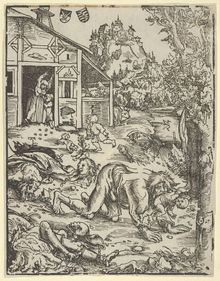
 The mythology described during the Middle Ages gave rise to two forms of werewolf folklore in early modern Europe. In one form, the Germanic werewolf became associated with European witchcraft; in the other, the Slavic werewolf (vьlkolakъ) became associated with the revenant or vampire.
 The werewolf is a mythological animal and the subject of many stories throughout the world—and more than a few nightmares.
 A werewolf refers to the idea of a person being able to transform themselves into a wolf and assume wolf-like mannerisms. While the existence of werewolves has never been proven, they are common in folklore around the world – especially in Europe.
 Werewolf stories have existed for thousands of years. But silver bullets, the full moon, wolfsbane and the incurable curse of lycanthropy have more to do with Hollywood than with history.
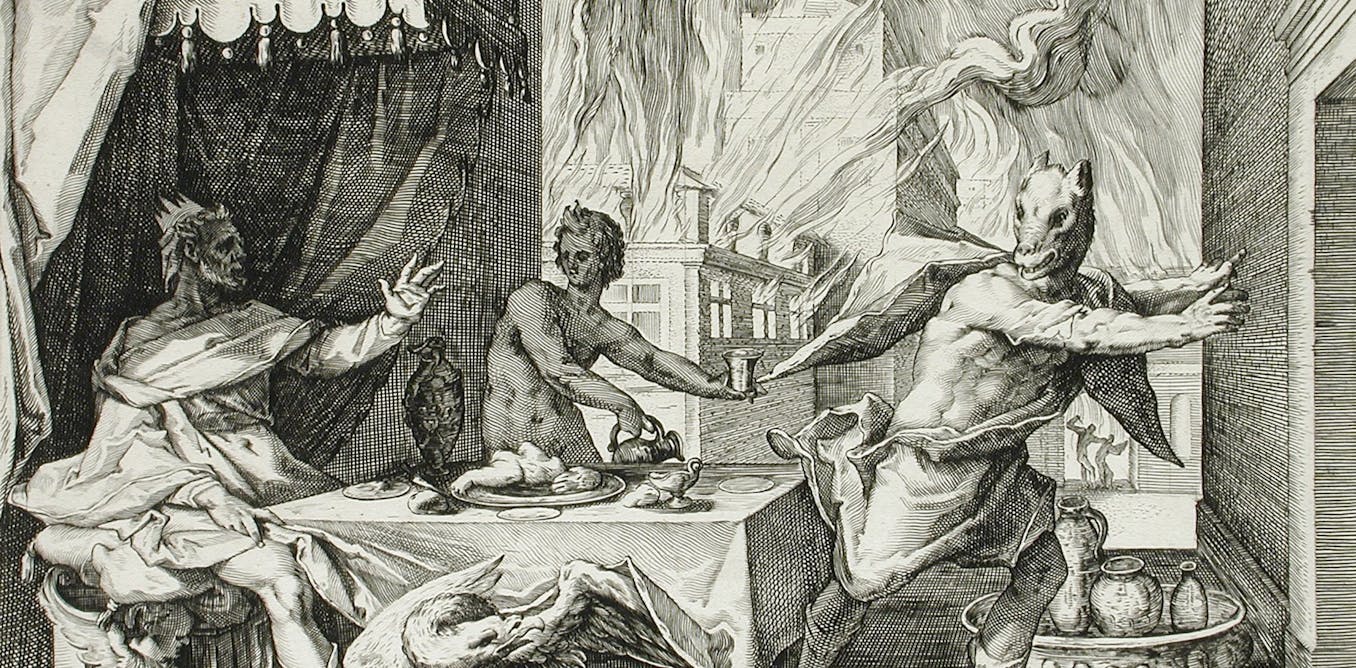 The earliest surviving example of man-to-wolf transformation is found in The Epic of Gilgamesh, from around 2,100 BC. But the werewolf as we now know it first appeared in ancient Greece and...